Grief Counseling for Miscarriage and Infant Loss
Grief after miscarriage or infant loss is not a single feeling or a single event. It changes hour by hour, and the body often carries as much of it as the mind. I have sat with parents who cannot enter a grocery store because the diaper aisle feels like a cliff. Others describe the sharp quiet of the nursery, or the ache in a milk-filled chest after a baby has died. Friends try to help, but even kind words can sting. A client once told me, “If one more person says everything happens for a reason, I will stop going outside.” It should not be this lonely, yet it often is.
Grief counseling creates a place where the story is allowed to be as big, unruly, and complex as it really is. In that room, we do not rank losses by gestational age, we do not rush, and we do not prescribe how you should feel. We make sense of what happened, care for a nervous system that has been shocked, and build rituals that fit the family’s values. Therapy does not erase grief. It helps grief find a bearable shape.
How this kind of loss lives in the body and mind
Miscarriage and infant loss often land as both bereavement and trauma. There is the attachment bond, already forming long before first kicks, that is suddenly cut. There are the medical details that can replay like a film: the sonographer’s silence, the emergency room lights, the empty car seat on the way home. Hormones can amplify everything. Estrogen and progesterone rise rapidly in pregnancy, then drop. Prolactin can spur milk production even after loss. Sleep shatters. Concentration falters. A parent who prided herself on steady leadership may find herself crying in parking lots. A father, eager to be strong, might feel like he is losing his grip when the smell of hand sanitizer cues a panic surge.
Relationally, couples often grieve at different speeds. One might need to talk every day. The other needs silence and long walks. Well-meaning relatives offer timelines and advice that do not fit. Social media introduces pregnancy announcements without warning. The identity shift that comes with pregnancy, planned or unplanned, now collides with uncertainty about the future. Questions pile up. Can I ever try again. What will this do to our marriage. How do we tell our older child. None of this is pathological. It is the messy adaptation to a sudden, unwanted change.
What a skilled grief counselor actually does
Good grief counseling blends structure with responsiveness. Early sessions focus on safety, stabilization, and naming what happened in language that feels true. We slow things down, not by avoiding the story, but by telling it in pieces your body can tolerate. We practice skills for the flashpoints: the medical bill that arrives out of nowhere, the first menstrual cycle after loss, the first time returning to work. We also orient to sources of support, from a single neighbor who brings soup without chatting, to a faith leader who can hold a ritual, to a partner who wants to help but needs guidance.
When the ground is steadier, we widen the lens. We explore how this loss intersects with personal history. Some parents grew up in families that did not allow sadness. Some carry previous trauma. Others feel pressure from cultural or religious narratives about fertility, gender roles, or the meaning of parenthood. The aim is not to blame the past. It is to understand how old expectations color the present so you are less at their mercy.
We also attend to the body. Many clients arrive having tried to out-think grief. Thought matters, but nerves and muscles need care too. With somatic therapy, we track how your system shifts during difficult memories. You might notice your shoulders inch up, or your breathing goes shallow. We experiment with precise adjustments. Lengthening an exhale by a count or two. Letting heels feel the ground. Orienting to the edges of the room. These are small moves with outsize impact when practiced daily.
When loss is traumatic
Not every miscarriage or infant death results in trauma symptoms, but many do. If you cannot step into a clinic without dissociating, if intrusive images hit you in the shower, if your body jolts awake at 3 a.m. As if an alarm went off, we treat those as trauma responses, not character flaws. This is where trauma therapy becomes important. A thoughtful approach avoids flooding and respects pacing. We use grounding skills, titration, and resourcing before we touch the hottest parts of the memory. Approaches may include narrative work, imagery rescripting, and bilateral stimulation. The method matters less than the match between technique and your nervous system’s capacity that day.
I think in terms of windows. When your arousal exceeds what your system can handle, your window narrows. Your prefrontal cortex, the part that plans and reflects, goes partly offline. You might snap at a partner, feel numb, or lose track of time. Therapy expands the window by pairing difficult material with present-moment anchors. One client practiced squeezing a therapy putty egg each time a vivid image surfaced. Another carried a card with three prompts: Name five blue things. Drop your shoulders. Breathe out longer than in. Over weeks, their bodies learned that memories of the hospital could show up without swallowing the present.
There are also specific traumas tied to medical procedures and environments. A dilation and curettage can be life-saving and still evoke helplessness. NICU beeps can become triggers long after discharge or death. A trauma-informed therapist collaborates with your medical team when needed, prepares you for follow-up appointments, and helps you design scripts and boundaries for clinical encounters. For some, asking a nurse to narrate each step reduces panic. For others, headphones and a hand squeeze signal are better. These practical accommodations matter as much as the deeper work.

Movement, breath, and the body’s repair toolkit
Grief sits heavy, but it also wants to move. Movement therapy does not mean training for a marathon. It means using motion and rhythm to metabolize activation. I often suggest walking at a pace that matches your mood, not faster. If you feel wrung out, a ten-minute slow loop around the block. If you feel agitated, a hilly path where breath must deepen. Rocking in a chair, swaying while standing, or gentle yoga can serve the same function. Many find that pairing movement with a simple phrase keeps rumination from taking over. With each exhale: I am here. Or: One step, then the next.
Somatic therapy offers another layer. After loss, the chest can feel armored. Shoulders clamp. The diaphragm feels welded. We work with micro-movements. A therapist might guide you to place a hand on your sternum, notice warmth, and invite a two-percent softening. Or explore a yawn reflex to release the jaw and vagal nerve. We also legitimize impulses to curl up or press feet hard into the floor. Your body is trying to find a safe shape. Given the right conditions, it often knows the way.
It helps to track what lands. Some clients respond to breath ratios, such as four counts in, six out, two holds. Others dislike counting and prefer humming, which naturally extends the exhale and vibrates the chest. People with a history of asthma, fainting, or panic may need modified breathing to avoid dizziness. This is where nuance matters. A therapist attuned to those differences can prevent well-meant practices from backfiring.
The attachment lens
Attachment therapy looks at the bonds that shape how we seek comfort and cope with fear. Pregnancy activates attachment systems intensely. Even early in gestation, many parents picture a child, feel protective, and reorganize their lives around that bond. When loss happens, the attachment system surges, then crashes. If you grew up expecting rejection, you may isolate to avoid anticipated hurt. If you learned that love means over-functioning, you might try to fix everyone else’s feelings while ignoring your own.
In counseling we identify these patterns without shaming them. With couples, I often map the cycle. One partner withdraws to cope, the other pursues for closeness, both feel misunderstood, then the distance grows. Using attachment therapy, we help each person name the fear underneath. The pursuer may not be demanding, just terrified of being alone in this pain. The withdrawer may not be cold, just scared that if they start talking, they will never stop crying. Once the pattern is visible, the couple can practice new moves, like setting ten-minute check-ins, or using a phrase that signals, I need you, without blame.
Attachment work also addresses subsequent pregnancy, which many describe as a nine-month vigil. Bonding with a new fetus can feel like betrayal. Ultrasounds feel like trial dates. We develop rituals that make room for both children, such as a private letter-writing practice, or a piece of jewelry you touch before appointments. The goal is not to force early attachment, but to allow cautious, honest connection to grow.
Memorials, rituals, and meaning-making
Meaning-making is not the same as finding a silver lining. It is the gradual building of a story about what this child meant and still means. Concrete rituals help. Some families plant a tree or choose a star name through a registry. Others create a small shelf with a candle, ultrasound photo, or a hospital bracelet. For those with breast milk after infant loss, options include donation to a milk bank, weaning with care plans from a lactation consultant, or holding a brief ritual before discarding. The act matters more than the outcome. You are telling your nervous system and your community that something important occurred.
Cultural and religious traditions can be healing or hard, and sometimes both. A therapist should ask, not assume. Does your community have mourning practices that fit, or do you need to modify them. Do you want clergy involved. Are there words that hurt more than help. Grief counseling respects that parents define their own sacred ground.
Social navigation and work
Loss reshapes social life. Baby showers may feel impossible for a while. Colleagues may not know what to say. Some parents decide to tell only a few people. Others share publicly. Each path has trade-offs. Privacy can protect, but it can also breed isolation. Openness can invite support, but also unsolicited advice. We rehearse scripts for awkward moments. Short, clean sentences work. Thank you for your care, I am not up for talking about it today. Or, We had a loss, I will be out for a week, I appreciate your patience. For supervisors, specifics help. I will need time for two follow-up appointments, I will update coverage plans by Friday.
Returning to work deserves thoughtful pacing if you have the option. Many do not, and the financial stress adds to grief. Therapy can help you prioritize tasks, ask for small accommodations like camera-off days, and plan exits from triggering conversations. You will not get it perfect. The aim is a workable path, not a flawless one.
Partners and the wider family
Partners often feel they must be the strong one and the logistical point person while carrying their own grief. I encourage partners to claim their place in the loss. If you saw the monitor freeze, if you held your child as they died, that is your trauma, not a secondary story. In joint sessions we allocate support tasks in a way that does not collapse either of you. One might handle insurance calls this week while the other navigates extended family. We also talk about intimacy. Bodies need gentleness. Grief can dampen desire or, sometimes, increase the need for closeness. Honest check-ins are protective. You are allowed to say not yet, and you are allowed to crave touch without sex.
Grandparents, siblings, and friends grieve too, but their role is to follow the parents’ lead. I often draft a one-page guide families can share that names what helps and what harms. Bring meals in freezable containers, leave them on the porch, do not ring the bell. Text before visiting. Avoid phrases that imply replacement. If you do not know what to say, say, I am so sorry. I am here.
When loss is recurrent, late, or medically complex
Some parents face repeated miscarriage, stillbirth, or the excruciating choice to end a wanted pregnancy for medical reasons. These situations add layers. Medical teams may run tests for clotting disorders or genetic concerns. You may acquire a vocabulary you never wanted: cerclage, anencephaly, triploidy. Therapy here serves as an anchor amid appointments. We track decision fatigue. We block time to feel, so choices are not made from pure exhaustion. We honor the baby you had to let go to spare suffering. We also prepare for the medical flashbacks that can arise even when you believe you made the most compassionate decision available.
For NICU parents whose infants die after days or weeks, grief often includes the rhythm of the unit. The green glow of monitors. The hawk-like hypervigilance honed by listening to every beep. After the funeral, silence can be deafening. Movement therapy and grounding practices are particularly helpful for nervous systems trained to stay on call. Therapy might include a structured debrief of the NICU timeline, with room to grieve the hopes that flickered at each small milestone.
Telehealth, in-person, and finding the right fit
Some clients prefer in-person sessions because the drive there and back create a container around the grief. Others find telehealth easier, especially if childcare, bleeding, or public tears make travel hard. Both can work well if the therapist is attuned and your space feels private enough. If you share a home, a simple wedge like a white noise machine near the door can add privacy. Some clients sit in a parked car with a blanket and water bottle. The key is accessibility that respects your energy.
Here is a concise checklist for choosing a counselor who fits:
- Ask about their experience with pregnancy and infant loss specifically, not just general grief.
- Inquire how they integrate trauma therapy and somatic therapy, and what a typical session might look like with them.
- Clarify logistics: scheduling flexibility around medical follow-ups, telehealth options, and crisis protocols.
- Notice their language. Do they avoid platitudes and respect your beliefs.
- Trust your body’s read after the first session. Do you feel steadier, even slightly, or more dismissed.
What the first six sessions may look like
Session one often centers on the story, though you control the pace. We gather facts as you want to share them, identify immediate pressures, and set goals that match reality. Stabilization is a goal in itself. If sleep is fractured into thirty-minute shards, we build a plan to improve it by twenty percent this week, not aim for perfection overnight.
Session two builds skills for managing spikes. You might leave with two or three practices, like an orienting routine before medical calls, a breath pattern that does not make you lightheaded, and a simple language script to protect boundaries at work.
By session three or four, we begin deeper processing as tolerated. We use trauma therapy tools to chip away at the hardest images without overwhelming you. We https://privatebin.net/?92542189c27a2e93#CERv8wfKfeCeERSd8NTJzsSQ1LnEaxYSg7KzhcbcniqV pair that with movement therapy homework that fits your day: a ten-minute walk after lunch, a brief sway before bed. We adapt based on response. If your dreams spike, we slow down. If you feel numb, we add practices that invite gentle activation.
Session five often turns toward relationships. We map support, clarify asks, and negotiate rhythms with your partner, family, and friends. Attachment therapy frames these conversations so that needs are expressed as bids for connection, not accusations.
Session six and beyond widen to meaning-making and future planning. That might include rituals, decisions about trying again, or simply building a weekly routine where grief has a place but does not run the whole day. Progress is not linear. We expect backslides around dates, medical news, or social triggers. The plan accounts for those waves.
Concrete care in the first days
Those first days or weeks can feel like being dropped on another planet. The basics matter more than expected. Hydration affects mood and milk supply if applicable. Light protein helps if appetite is poor. Bleeding may continue for days to weeks, and cramps can surprise you. Many find it helpful to put a small care kit by the bed with pads, a heating pad, water, electrolyte packets, and simple snacks. Pain medication plans should be confirmed with a medical provider. If you notice fever, heavy bleeding, or symptoms that worry you, seek medical care promptly. Therapy can hold the emotional terrain, but physical safety comes first.
A short set of steps can steady the immediate aftermath:
- Identify two people who can be on-call for logistics this week, such as meals or calls.
- Choose one daily anchor, like a morning walk or a ten-minute porch sit.
- Set up a communication plan, for example, one text that others may forward so you do not have to repeat the news.
- Create a small ritual for the evening, a candle or moment of silence.
- Postpone nonessential decisions. Grief narrows perspective; let choices wait when they can.
When and how to include older children
Children notice more than adults often think. If there are siblings, they may sense sadness or see changes in routine. Simple, age-appropriate honesty is protective. For a preschooler: The baby was growing in my belly. Something went wrong, and the baby died. We are very sad. You did nothing to cause this. We love you and you are safe. Expect questions to repeat. Children process in loops. Offer concrete options for comfort: a hug, reading a favorite book, drawing a picture for the baby. Schools can partner well when they know what happened. A brief note to a teacher prevents surprises and aligns support.
Grief over time
There is no timetable. Research on bereavement shows that intensity typically softens over months, but important dates can reignite sorrow for years. Therapy does not aim to erase love or memory. It aims to make space for them without letting pain swallow everything. Many parents describe a shift from raw to tender over time. They can speak the baby’s name without gasping. They can attend a niece’s birthday without leaving the house shaking. Others find a vocation in advocacy, peer support, or creative work. Some do not, and that is equally valid. A quiet, ordinary life regained is a profound outcome.
Trying again is a separate mountain. Anxiety can overshadow joy, especially in the first trimester. Practical scaffolding helps. Schedule early check-ins with your provider. Set limits on home doppler use, which can fuel panic. Keep therapy active through key milestones. Develop a tiny circle for updates to reduce the burden of repeated explanations. Allow ambivalence alongside hope. Attachment therapy reminds us that guarded love is still love.
Final thoughts from the room
I have yet to meet a parent who grieved wrong. I have met many who were told, implicitly or explicitly, to get over it. Grief counseling for miscarriage and infant loss respects the depth of what was lost and the dignity of how you carry it. Trauma therapy, somatic therapy, and movement therapy provide tools for a body that has been shocked. Attachment therapy helps couples and families find each other again. The process is not quick and not linear, but it is navigable.

If you are reading this after a loss, your mind may be foggy and your body tired. Start small. One breath that is a fraction longer out than in. One honest sentence to someone you trust. One step outside to feel air on your face. The rest can build from there, at your speed, in your way.
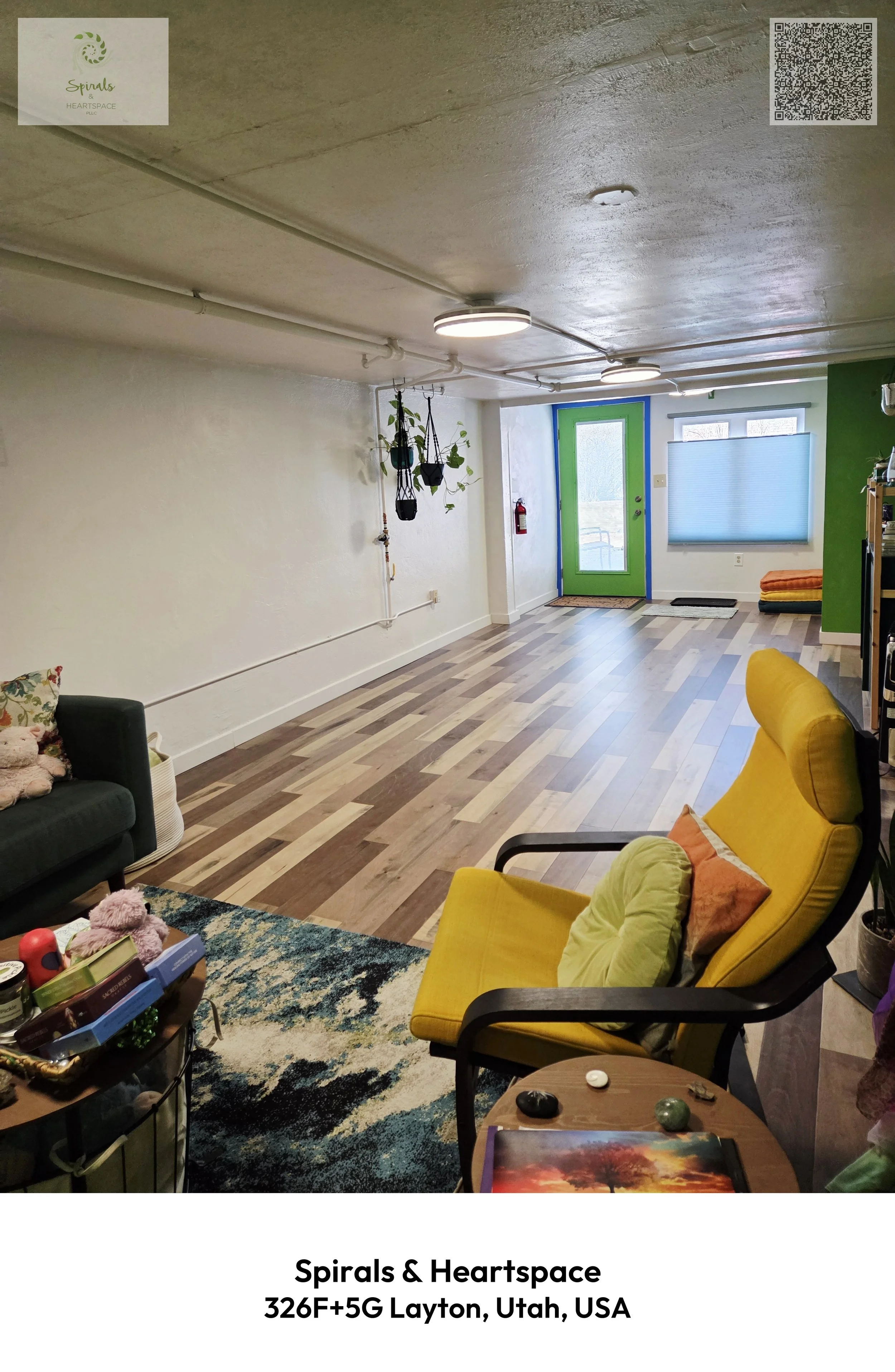
Spirals & Heartspace
Name: Spirals & Heartspace
Address: 534 W Gentile St, Layton, UT 84041
Phone: (385) 301-5252
Website: https://spiralsandheartspacehealing.com/
Hours:
Sunday: Closed
Monday: 9:30 AM – 7:00 PM
Tuesday: 9:30 AM – 7:00 PM
Wednesday: 9:30 AM – 7:00 PM
Thursday: 9:30 AM – 7:00 PM
Friday: 9:30 AM – 7:00 PM
Saturday: Closed
Open-location code / plus code: 326F+5G Layton, Utah, USA
Coordinates: 41.0604503, -111.9762128
Map/listing URL: https://www.google.com/maps/place/Spirals+%26+Heartspace/@41.0604503,-111.9762128,766m/data=!3m2!1e3!4b1!4m6!3m5!1s0x875303311f1d4d1b:0xc6859e5e3fceafe2!8m2!3d41.0604503!4d-111.9762128!16s%2Fg%2F11x781dbvb
Embed iframe:
Socials:
Instagram: https://www.instagram.com/spiralsheartspace/
LinkedIn: https://www.linkedin.com/company/spirals-and-heartspace-pllc
TikTok: https://www.tiktok.com/@spiralsheartspace
X: https://x.com/SpiralsHea61786
YouTube: https://www.youtube.com/@SpiralsHeartspace
The practice is led by Ande Welling, a licensed clinical mental health counselor with training in dance/movement therapy, somatic work, EMDR, trauma care, relational neuroscience, and embodied attachment.
Listed services include therapy, coaching, consultation, authentic movement, trauma therapy, somatic therapy, grief counseling, movement therapy, and attachment therapy.
The practice serves adults who want a deeper body-aware approach to trauma, anxiety, depression, grief, burnout, self-abandonment, family patterns, and relationship wounds.
Spirals & Heartspace offers both in-person sessions in Layton and online therapy for clients in Utah.
The practice is locally positioned for clients in Layton, Kaysville, Farmington, Syracuse, Clearfield, Clinton, Roy, Ogden, Bountiful, Davis County, and nearby northern Utah communities.
The office is listed at 534 W Gentile St in Layton, with public listing hours Monday through Friday from 9:30 AM to 7:00 PM.
Prospective clients can call (385) 301-5252 or visit https://spiralsandheartspacehealing.com/ to ask about consultation options, session fit, and scheduling.
The public map listing for Spirals & Heartspace can help clients verify the Gentile Street office before planning an in-person appointment.
Popular Questions About Spirals & Heartspace
What is Spirals & Heartspace?
Spirals & Heartspace is a Layton, Utah psychotherapy and coaching practice offering somatic, trauma-focused, expressive arts, movement-based, and attachment-informed support for adults.
Who is the therapist at Spirals & Heartspace?
The official site identifies Ande Welling as the therapist, coach, movement facilitator, and guide behind Spirals & Heartspace. Listed credentials include LCMHC, BC-DMT, NCC, GL-CMA, BSE, EMDR Trained, and CCTP-II.
Where is Spirals & Heartspace located?
The matching public listing and LinkedIn profile list the address as 534 W Gentile St, Layton, UT 84041.
Does Spirals & Heartspace offer online therapy?
Yes. The official FAQ states that therapy is available in person or through a HIPAA-compliant telehealth platform for clients who live in Utah.
What services does Spirals & Heartspace provide?
Listed services include therapy, coaching, consultation, authentic movement, trauma therapy, somatic therapy, grief counseling, movement therapy, and attachment therapy.
What makes somatic therapy different from traditional talk therapy?
The official Layton page explains that somatic therapy works with body sensations, movement, and physical experience because trauma and emotional patterns can be held in the nervous system, not only in thoughts.
Do clients need dance experience for movement therapy?
No. The official Layton FAQ says no dance training or special physical ability is required, and that movement therapy uses a client’s natural capacity for movement to access emotions and process experiences.
Does Spirals & Heartspace accept insurance?
The official FAQ says the practice does not take insurance directly, but may provide superbills or bill for out-of-network benefits when applicable. Clients should confirm current reimbursement options directly before scheduling.
What are Spirals & Heartspace’s listed hours?
The matching public listing shows Monday through Friday from 9:30 AM to 7:00 PM, with Saturday and Sunday closed. Appointment availability should be confirmed directly.
How can I contact Spirals & Heartspace?
Call (385) 301-5252, visit https://spiralsandheartspacehealing.com/, or use the listed social profiles: https://www.instagram.com/spiralsheartspace/, https://www.linkedin.com/company/spirals-and-heartspace-pllc, https://www.tiktok.com/@spiralsheartspace, https://x.com/SpiralsHea61786, and https://www.youtube.com/@SpiralsHeartspace.
Landmarks Near Layton, UT
Spirals & Heartspace is located on West Gentile Street in Layton, Utah, with in-person therapy available locally and online therapy available for Utah residents. Clients near these landmarks can call (385) 301-5252 or visit https://spiralsandheartspacehealing.com/ to ask about somatic therapy, trauma therapy, movement therapy, grief counseling, attachment therapy, and consultation options.
- 534 W Gentile St — The listed office address for Spirals & Heartspace; clients can use the map listing to verify the office before visiting.
- West Gentile Street — The local street connected with the practice’s Layton office location.
- Downtown Layton — A practical local reference point for clients navigating central Layton.
- Layton Hills Mall — A major Layton shopping landmark and useful orientation point for clients traveling through the city.
- Interstate 15 near Layton — A major northern Utah route that helps clients reach Layton from nearby Davis County communities.
- Layton FrontRunner Station — A transit landmark for clients traveling by commuter rail through Davis County.
- Ellison Park — A local park and community landmark in Layton.
- Great Salt Lake Shorelands Preserve — A major natural landmark west of Layton and a recognizable Davis County destination.
- Hill Air Force Base — A major regional landmark near Layton and Clearfield.
- Kaysville — A nearby Davis County city listed in the practice’s surrounding service area.
- Farmington — A nearby Davis County community included in the broader local service-area language.
- Ogden — A nearby northern Utah city; clients can ask whether online Utah therapy or in-person Layton sessions are the best fit.