Somatic Therapy for Chronic Pain Linked to Stress
Chronic pain often starts with a clear medical event, a back strain, a surgery, an illness. Then weeks turn into months, the tissue heals by every measure we can test, but the pain persists with a life of its own. Many people in this situation get told it is all in their head. That dismissal misses the mark. When stress takes the wheel, pain is still very much in the body, and somatic therapy offers a practical path to retrain how the nervous system generates and maintains those signals.
I have sat with people who could name the exact day their pain began, and others who only noticed after a series of losses or unrelenting deadlines that their body had been whispering for months. Whether the trigger is obvious or buried under years of coping, the common thread is a nervous system that learned to protect through tension, bracing, and high-alert scanning. Somatic therapy meets that system where it lives, in sensation, breath, posture, and movement, then helps it find another way.
When pain and stress lock together
Think of pain as an alarm. In acute injury, the alarm is helpful. With ongoing stress, the control panel can become more sensitive. The threshold for setting off the siren lowers, and the alarm spreads to more rooms. People begin to experience flare ups after a poor night of sleep, a family argument, or a long commute. The joints or muscles may be fine, yet the nervous system reads the context as unsafe.

This is not imaginary. Brain imaging studies have shown that persistent pain often lights up regions tied to emotions, expectations, and threat detection, not just the sensory strip that maps the body. Stress chemicals like cortisol and adrenaline prime muscles to tighten and the gut to slow, and over time those patterns can become habitual. In practice, I see this most clearly in conditions like fibromyalgia, irritable bowel syndrome, pelvic pain, chronic migraine, and lingering low back pain after an initial strain. Medical care remains essential to rule out and treat disease. When scans are clean or changes do not match the intensity of suffering, we shift lenses and include the nervous system as a target of care.
What somatic therapy actually does
Somatic therapy invites attention into the body in a structured, titrated way. The work usually has three aims. First, increase interoception, the accurate sensing of internal signals. Second, expand the nervous system’s capacity to move between activation and rest without getting stuck. Third, update the body’s implicit predictions about safety by pairing small doses of challenge with real-time signs of support.
In my sessions, this looks like short cycles of noticing, pausing, and moving. We might track the shape of the breath, the contact of feet on the floor, the size of the visual field, or the tone of the jaw. Then we try small experiments, a micro stretch of the hip, a sigh, a shift in how the ribs move on the inhale. We notice what changes. The goal is not to https://chancezgeq009.wordpress.com/2026/06/17/movement-therapy-for-depression-finding-motion-in-emotion/ blast through pain, but to build a library of body experiences that say I can influence this, even a little. Those increments accumulate.
Somatic therapy is not a single brand. It draws from movement therapy, breathwork, body-oriented trauma therapy approaches, mindful attention, and elements of manual therapies. The common denominator is working with the felt sense, not only with thoughts about the pain.
A short vignette from practice
A client in her forties came in with a two-year history of neck and upper back pain that worsened under pressure at work. She had seen a chiropractor, physical therapist, and acupuncturist. The relief was temporary. In our first meetings, we noticed a pattern. During difficult conversations with her team, her breath vanished up into her chest, her shoulders crept toward her ears, and her gaze tunneled. She rated her pain a seven out of ten by the end of those days.
We did not target the neck first. Instead, we practiced widening her visual field before meetings, feeling the weight of her feet under the desk, and softening her tongue along the floor of her mouth. She kept a brief log, two lines per day. After three weeks, she saw her pattern sooner and could interrupt it. The pain still flared, but it dropped to a four more often than not. We then layered in simple movement therapy, scapular glides with slow exhale, rotations in the upper spine while seated, and pacing her emails with breath cycles. By month three, she had bad days again during a round of layoffs. We named grief, not just stress, as part of her load, and made space to feel it without armoring. Her neck did not love those weeks, but it no longer dictated her schedule. She described it as regaining a dimmer switch rather than an on off button.
Anecdotes are not data. Yet they mirror what many people experience when we shift from trying to fix a body part to retraining a system.
Where trauma and attachment enter the room
Chronic stress and chronic pain often share a backstory. Attachment therapy helps here because the nervous system learns its baseline in relationship. If you grew up scanning for a parent’s mood or shrinking to stay safe, your body learned vigilance as home. That learned pattern shows up in muscle tone, breath, and the speed with which you orient to threat. In somatic work, the relationship with the therapist becomes part of the medicine. Feeling seen and met without being pushed lets the system experiment with coming out of defensive postures.
Trauma therapy brings another layer. Traumatic events, from accidents to medical procedures to violence, etch their memory in the body as much as the mind. The body may hold startle responses, flinches, or shutdowns long after the event. If we charge straight into those memories, pain can spike. The art is titration. We take a sip of activation, then we pendulate back to ease. Over time, the system learns it can touch the edge of that memory or sensation and return safely. People regularly report that as frozen responses thaw, pain loses its edge.
Grief counseling also matters more than most expect. Loss, whether of a loved one, of a career, or of a hoped-for healthy body, loads the nervous system. When grief has no room, it often finds its way into headaches, gut cramps, or a back that never seems to unclench. Making a clear space to mourn does not fix pain by itself, but it removes a hidden driver of tension. I have watched people soften during a single session when they finally say the thing out loud that they had been chewing silently for months.
The physiology in plain language
Your autonomic nervous system has two primary gears. One drives mobilization, a get up and do something charge. The other supports rest, digestion, and repair. Healthy systems cycle between them. Chronic stress can trap a person in partial activation or in a collapsed freeze. Pain likes both states, just for different reasons. In partial activation, muscles clutch and stay ready. In collapse, the system goes numb, then rebounds into sharper pain when it reawakens.
Somatic therapy uses bottom-up input to shift those gears. Slow exhales lengthen vagal influence, which can decrease heart rate and release some muscle guarding. Movement within a comfortable range feeds the brain better signals about joint position and safety. Touch, whether from a therapist or self-contact like a hand on the sternum, provides a map of boundaries. Eyes and ears contribute too. Expanding the visual field or orienting to gentle sounds tells deeper parts of the brain that the environment is safe enough to ease.
None of this requires perfect belief. The body responds to these inputs whether or not you buy the theory. That said, understanding why we do what we do often lowers the mental resistance that adds more tension on top.
What a course of care can look like
Treatment plans vary because bodies and histories vary. In my practice, sessions run 50 to 75 minutes, weekly at first, then spaced out as the person gains skill. Many people notice early shifts within three to six sessions if stress is a primary driver. Deeper patterns, especially with trauma or long-standing pain, often take several months to a year. That does not mean weekly forever. It means cycles of work as you meet new layers in life.
We set clear markers. Instead of only tracking pain scores, we count functional wins, like being able to stand for 20 minutes without a flare, sleeping through the night three times per week, or taking a walk after a hard day. Numbers help. When someone reports that headaches went from daily to three days per week over eight weeks, we can attribute that to concrete changes, not wishful thinking.
Expect setbacks. Life does not pause to let therapy proceed in a straight line. Holidays, disputes, illness, or even a strong massage can trigger flares. We prepare for that. The plan is not to avoid all activation, it is to respond flexibly.
A short practice you can try
Use this as a micro reset when you notice tension climbing. Stop if pain spikes.
- Sit with your feet flat. Let your hands rest on your thighs. First, widen your visual field by noticing the edges of the room without moving your head. Take one slow breath.
- Place the tip of your tongue on the floor of your mouth. On your next exhale, let it be longer than your inhale, perhaps a count of three in and five out. Do two rounds.
- Gently press your feet into the floor for three seconds, then release. Notice any warmth or tingling in your legs. Let your shoulders drop by one percent, not more.
- Turn your torso a few degrees right and left, as if looking behind you with your ribs rather than your neck. Keep it small. Track how your breath responds.
- Put one hand over your sternum. Feel the warmth. Ask your body, what would make this five percent easier right now, and follow the first gentle impulse.
If you felt even a small shift, you tasted what somatic work aims for. If nothing changed, that is also information. Sometimes we need another ingredient, like getting up to walk, opening a window, or pausing a difficult task.
Movement therapy as a bridge
Movement therapy brings structure to the way we reintroduce activity. Many people have tried standard exercise plans and found that they flare their pain. The difference here is pacing, attention, and sequencing. We start with range and rhythm, not intensity. A person with chronic low back pain might learn pelvic clocks on the floor, then hip hinges with breath, then load only when the pattern feels smooth. Someone with migraines could pair gentle neck rotations with eye movements and slow exhales before exploring cardio again.

I often measure in tiny doses. Two minutes daily can change a system more reliably than 30 minutes twice a week when stress is high. The science of graded exposure supports this. We expose the nervous system to tolerable amounts of movement and sensation, then recover. Over weeks, thresholds shift. If you push too fast, symptoms shout. If you never challenge the system, it stays where it is. The art lies in the middle.
Coordinating with medical care
Somatic therapy works best when it is one spoke in a wheel. I stay in touch, with permission, with primary care, physical therapy, and pain management. If medication improves sleep by two hours per night, our somatic work becomes far more effective. If we discover unaddressed sleep apnea or iron deficiency, addressing that often reduces pain amplification. People sometimes fear that integrating these approaches means giving up on structural care. It does not. It adds tools, it does not erase the ones you already have.
Edge cases matter. If pain has red flag features like sudden unexplained weight loss, fever, night sweats, new neurological deficits, or severe pain that wakes you regularly and is unresponsive to position changes, see a physician promptly. Somatic therapy does not treat infection, fracture, cancer, or inflammatory diseases. It can, however, support the nervous system during medical treatment, making it easier to cope and often improving outcomes.
The role of narrative and meaning
When stress ties into pain, the story you carry about your body matters. People often arrive with a narrative that their back is fragile or their neck is a faulty hinge. Sometimes a clinician planted that seed. Language can harm. We work to update the story with evidence. If you can garden for 15 minutes without a flare after practicing breath and pacing, your back shows it is adaptable. If a headache softens when you release your jaw and widen your gaze, your system shows it can shift. The more experiences you have that contradict the old story, the easier it is to retire it.
Here, elements of grief counseling meet somatic practice. You may need to mourn the years spent fighting your body or the dreams deferred because of pain. That grief is real. Once it has a voice, people often regain a friendlier posture toward their own tissues. From that posture, change picks up speed.
Attachment in the therapy room
Attachment patterns show up in how clients relate to me and to the work. Anxious attachment might look like pushing too hard and seeking constant reassurance. Avoidant attachment might show up as keeping distance, even from one’s own sensations. Neither is wrong. Both made sense earlier in life. In somatic therapy, we name the pattern kindly and experiment. I might slow down an eager doer to notice the urge to push, then invite curiosity about what fear sits underneath. I might invite a distancer to choose one tiny sensation to track for three breaths, then give them full permission to stop. Over time, a secure base grows, and that makes exploring discomfort more tolerable.
How to choose a clinician
Use your first session to assess fit as much as skill. Beyond licenses and credentials, look for someone who respects your pace, collaborates on goals, and can explain their approach without jargon.
- Ask how they integrate somatic therapy with trauma therapy, movement therapy, and medical care. Specific examples beat vague assurances.
- Notice how you feel in your body during the session. More settled, agitated, numb. Your body’s response is good data.
- Clarify how progress will be measured. Functional goals and clear time frames help anchor the work.
- Discuss boundaries and consent. You should always have a say in touch, positioning, and the targets of each session.
- Ask about coordination with other providers. Teamwork often shortens the road.
If cost is a concern, some practitioners offer group formats or brief consults. Insurance coverage varies widely. In the United States, body-oriented psychotherapy may be covered when provided by a licensed mental health professional, while somatic coaching usually is not. Physical therapists and occupational therapists trained in somatic approaches may bill under rehab codes. Expect a range from 100 to 220 dollars per individual session in many cities, with lower fees common in community clinics and higher at specialized centers.
Remote or in person
Online somatic work grew during the pandemic and has proven viable. For many clients, working from home lowers barriers and reveals daily patterns in real time. In person allows for more nuanced observation and, when appropriate, therapeutic touch. I use both. Outcomes depend more on the relationship and the clarity of the plan than on the medium. If you travel often or live in a rural area, do not wait for perfect logistics to start. The earlier you begin retraining your system, the better.
Cultural and identity considerations
Stress, trauma, and pain do not land on a blank slate. Cultural identity, racism, discrimination, and socioeconomic pressures shape how a body holds stress. A therapist who understands this will not reduce everything to personal coping skills. They will validate the real conditions you live in and help find strategies that fit your context. For example, recommending a mid-day walk is tone deaf if you have a warehouse job with two short breaks. We might instead design a 90 second micro practice you can do in a restroom stall and a five minute unwind before bed.
Gendered expectations can also affect presentation. Men sometimes arrive only when pain breaks through stoicism. Women often come earlier but report being dismissed more in medical settings. Naming these patterns is not a political gesture. It is clinical accuracy.
Common pitfalls and how to avoid them
The most frequent misstep I see is treating somatic therapy like a willpower challenge. Pushing hard at sensation tends to backfire. Another pitfall is hunting for a magic technique rather than building a daily rhythm. Five or ten minutes of practice sprinkled through the day usually beats a big block once a week. People also get stuck tracking pain too closely. We want to monitor, not worship it. Spend equal time tracking ease, even if it is small.
On the clinician side, a mistake is to skip sufficient medical screening or to assume all pain is trauma related. The reverse error is to avoid any mention of trauma or grief because it feels outside scope. Collaboration solves both.
What success looks like
Success rarely means zero pain, though that does happen. More often, it looks like your life growing around the pain rather than shrinking because of it. You might return to cooking dinner most nights, play a short game with your child after work, or take a weekend drive without dread. Pain flares become weather, not climate. People report using fewer urgent care visits, taking fewer sick days, and having more options. The nervous system learns that effort no longer equals threat, and the body stops bracing for every demand.
I once worked with a retiree who had pelvic pain for six years. Medications helped some, but the pain owned his calendar. He learned a series of breath and movement patterns he could do before and after activities that used to flare him, like long sitting and yard work. We also worked directly with his fear response, which spiked when he felt the first hint of pain. He practiced naming two neutral sensations for every report of pain, a foot’s warmth in a sock, the weight of hands on thighs. Six months later, he still had pain, but he went fishing again, which had been off limits for years. When asked to score his pain, he said the number did not capture it anymore because it did not feel like the boss.
Final thoughts for the long haul
Chronic pain linked to stress is not a character flaw, and it is not a life sentence. It is a habit loop in the nervous system that can change with the right inputs and enough repetition. Somatic therapy offers those inputs in ways that respect both the body’s intelligence and its limits. When combined with movement therapy, elements of trauma therapy, grief counseling where needed, and a clear eye on attachment patterns, it becomes a sturdy framework rather than a one-off technique.
If you decide to try this path, give it a fair window, six to eight weeks of regular practice, and keep notes on what shifts. Look for small wins and stack them. Enlist your clinicians to work as a team. And when setbacks come, use them as a chance to rehearse your tools rather than as proof that nothing helps. Bodies learn slowly at first, then faster. The nervous system loves repetition. With patient attention, it can learn to ease the alarm and make room for a steadier, less painful life.
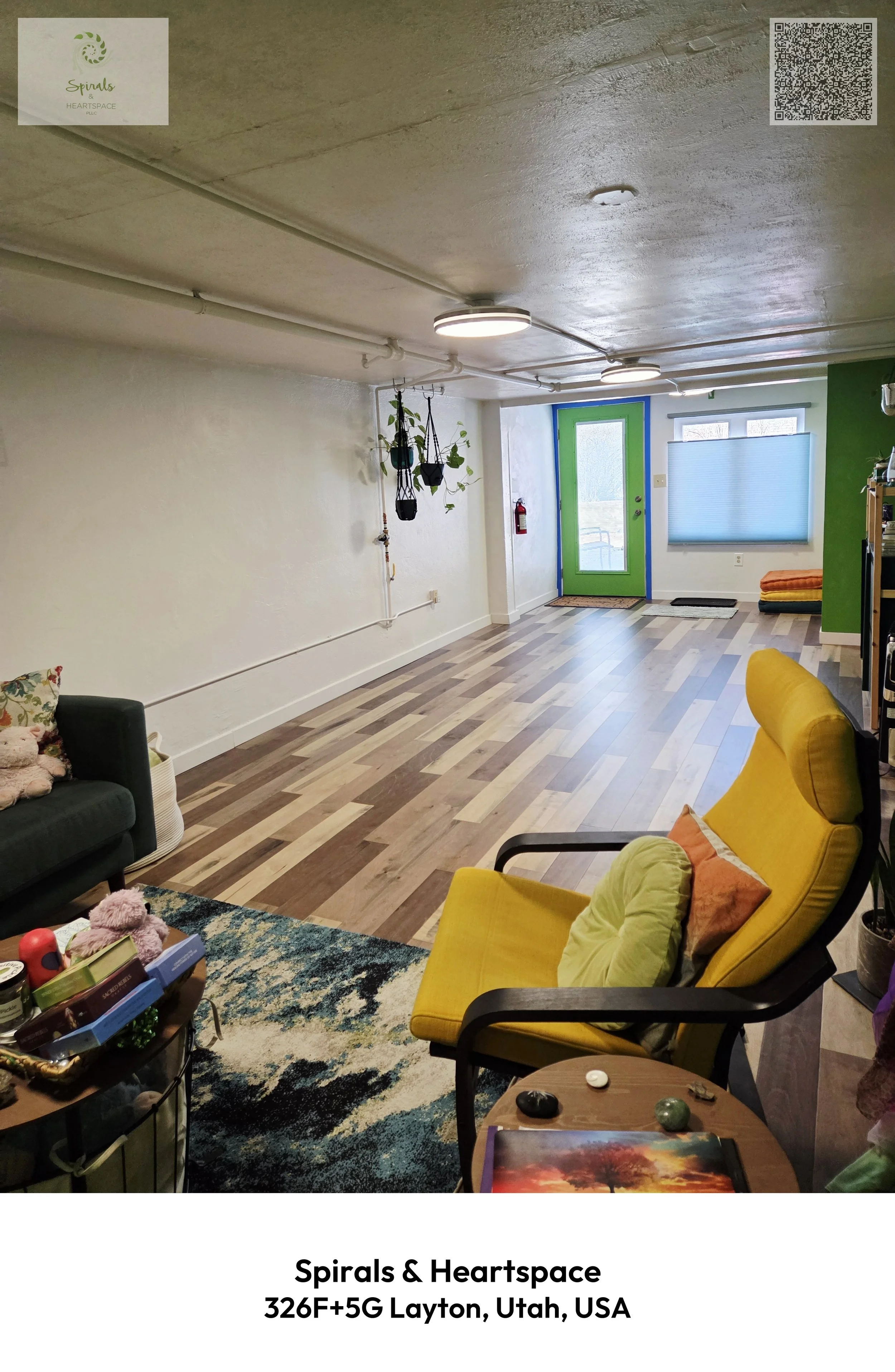
Spirals & Heartspace
Name: Spirals & Heartspace
Address: 534 W Gentile St, Layton, UT 84041
Phone: (385) 301-5252
Website: https://spiralsandheartspacehealing.com/
Hours:
Sunday: Closed
Monday: 9:30 AM – 7:00 PM
Tuesday: 9:30 AM – 7:00 PM
Wednesday: 9:30 AM – 7:00 PM
Thursday: 9:30 AM – 7:00 PM
Friday: 9:30 AM – 7:00 PM
Saturday: Closed
Open-location code / plus code: 326F+5G Layton, Utah, USA
Coordinates: 41.0604503, -111.9762128
Map/listing URL: https://www.google.com/maps/place/Spirals+%26+Heartspace/@41.0604503,-111.9762128,766m/data=!3m2!1e3!4b1!4m6!3m5!1s0x875303311f1d4d1b:0xc6859e5e3fceafe2!8m2!3d41.0604503!4d-111.9762128!16s%2Fg%2F11x781dbvb
Embed iframe:
Socials:
Instagram: https://www.instagram.com/spiralsheartspace/
LinkedIn: https://www.linkedin.com/company/spirals-and-heartspace-pllc
TikTok: https://www.tiktok.com/@spiralsheartspace
X: https://x.com/SpiralsHea61786
YouTube: https://www.youtube.com/@SpiralsHeartspace
The practice is led by Ande Welling, a licensed clinical mental health counselor with training in dance/movement therapy, somatic work, EMDR, trauma care, relational neuroscience, and embodied attachment.
Listed services include therapy, coaching, consultation, authentic movement, trauma therapy, somatic therapy, grief counseling, movement therapy, and attachment therapy.
The practice serves adults who want a deeper body-aware approach to trauma, anxiety, depression, grief, burnout, self-abandonment, family patterns, and relationship wounds.
Spirals & Heartspace offers both in-person sessions in Layton and online therapy for clients in Utah.
The practice is locally positioned for clients in Layton, Kaysville, Farmington, Syracuse, Clearfield, Clinton, Roy, Ogden, Bountiful, Davis County, and nearby northern Utah communities.
The office is listed at 534 W Gentile St in Layton, with public listing hours Monday through Friday from 9:30 AM to 7:00 PM.
Prospective clients can call (385) 301-5252 or visit https://spiralsandheartspacehealing.com/ to ask about consultation options, session fit, and scheduling.
The public map listing for Spirals & Heartspace can help clients verify the Gentile Street office before planning an in-person appointment.
Popular Questions About Spirals & Heartspace
What is Spirals & Heartspace?
Spirals & Heartspace is a Layton, Utah psychotherapy and coaching practice offering somatic, trauma-focused, expressive arts, movement-based, and attachment-informed support for adults.
Who is the therapist at Spirals & Heartspace?
The official site identifies Ande Welling as the therapist, coach, movement facilitator, and guide behind Spirals & Heartspace. Listed credentials include LCMHC, BC-DMT, NCC, GL-CMA, BSE, EMDR Trained, and CCTP-II.
Where is Spirals & Heartspace located?
The matching public listing and LinkedIn profile list the address as 534 W Gentile St, Layton, UT 84041.
Does Spirals & Heartspace offer online therapy?
Yes. The official FAQ states that therapy is available in person or through a HIPAA-compliant telehealth platform for clients who live in Utah.
What services does Spirals & Heartspace provide?
Listed services include therapy, coaching, consultation, authentic movement, trauma therapy, somatic therapy, grief counseling, movement therapy, and attachment therapy.
What makes somatic therapy different from traditional talk therapy?
The official Layton page explains that somatic therapy works with body sensations, movement, and physical experience because trauma and emotional patterns can be held in the nervous system, not only in thoughts.
Do clients need dance experience for movement therapy?
No. The official Layton FAQ says no dance training or special physical ability is required, and that movement therapy uses a client’s natural capacity for movement to access emotions and process experiences.
Does Spirals & Heartspace accept insurance?
The official FAQ says the practice does not take insurance directly, but may provide superbills or bill for out-of-network benefits when applicable. Clients should confirm current reimbursement options directly before scheduling.
What are Spirals & Heartspace’s listed hours?
The matching public listing shows Monday through Friday from 9:30 AM to 7:00 PM, with Saturday and Sunday closed. Appointment availability should be confirmed directly.
How can I contact Spirals & Heartspace?
Call (385) 301-5252, visit https://spiralsandheartspacehealing.com/, or use the listed social profiles: https://www.instagram.com/spiralsheartspace/, https://www.linkedin.com/company/spirals-and-heartspace-pllc, https://www.tiktok.com/@spiralsheartspace, https://x.com/SpiralsHea61786, and https://www.youtube.com/@SpiralsHeartspace.
Landmarks Near Layton, UT
Spirals & Heartspace is located on West Gentile Street in Layton, Utah, with in-person therapy available locally and online therapy available for Utah residents. Clients near these landmarks can call (385) 301-5252 or visit https://spiralsandheartspacehealing.com/ to ask about somatic therapy, trauma therapy, movement therapy, grief counseling, attachment therapy, and consultation options.
- 534 W Gentile St — The listed office address for Spirals & Heartspace; clients can use the map listing to verify the office before visiting.
- West Gentile Street — The local street connected with the practice’s Layton office location.
- Downtown Layton — A practical local reference point for clients navigating central Layton.
- Layton Hills Mall — A major Layton shopping landmark and useful orientation point for clients traveling through the city.
- Interstate 15 near Layton — A major northern Utah route that helps clients reach Layton from nearby Davis County communities.
- Layton FrontRunner Station — A transit landmark for clients traveling by commuter rail through Davis County.
- Ellison Park — A local park and community landmark in Layton.
- Great Salt Lake Shorelands Preserve — A major natural landmark west of Layton and a recognizable Davis County destination.
- Hill Air Force Base — A major regional landmark near Layton and Clearfield.
- Kaysville — A nearby Davis County city listed in the practice’s surrounding service area.
- Farmington — A nearby Davis County community included in the broader local service-area language.
- Ogden — A nearby northern Utah city; clients can ask whether online Utah therapy or in-person Layton sessions are the best fit.